

I dedicated last week studying the new Hold and Win Games event calendar hold-and-win.net. The brand is undoubtedly pushing into the UK in a big way. The document lays out a dense lineup of tournaments, live draws, and community meet-ups that appears more arranged than anything I’ve seen from them before. I’ll go over what’s working, what creates uncertainty, and where British players will find the real value.
Analyzing the Hold and Win Games Event Calendar
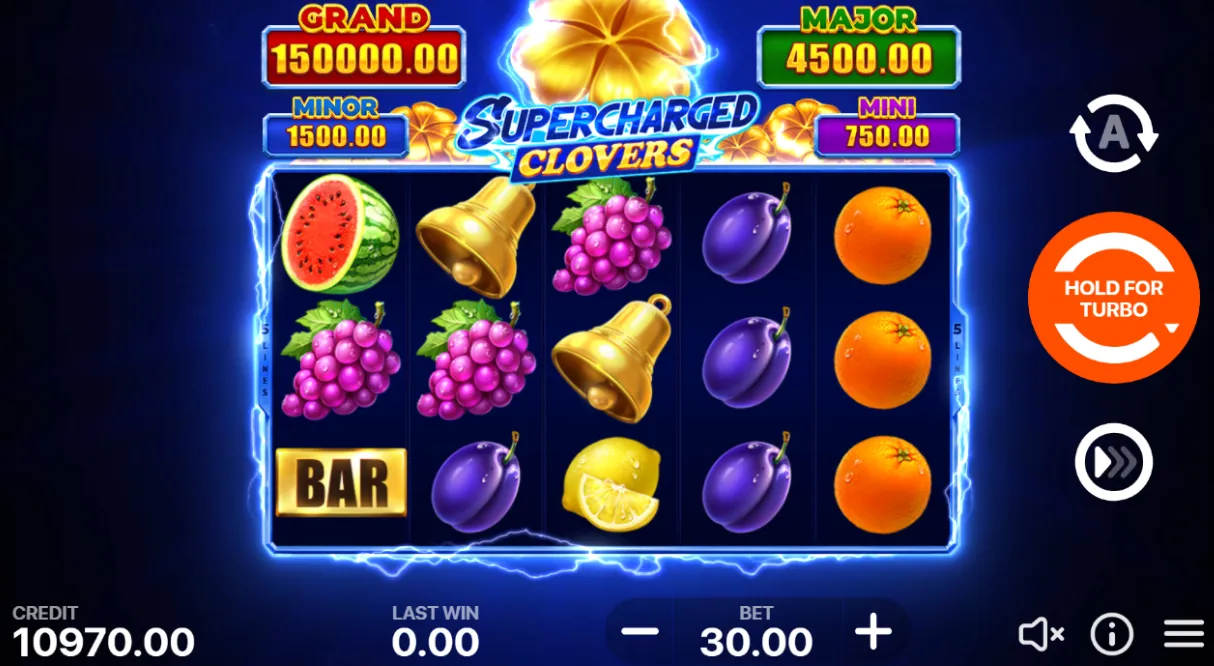
The calendar comes as a downloadable PDF and an interactive web page, both constructed around a clean monthly grid. Straight away I spotted the colour coding: amber for slot tournaments, green for live prize draws, deep blue for VIP-only gatherings. That simple colour hierarchy makes it dead easy to jump to what you care about. It’s a small design decision that shows the operator gets how players actually scan event info.
What caught my attention next was the geographic detail. Instead of placing a generic “UK-wide” label on everything, each listing identifies a city or region, from Glasgow down to Brighton. The calendar doesn’t just promote events; it pins them to real venues like Grosvenor Casinos and local bingo halls. For a brand that used to appear like an online-only operation, this location-first pivot is a welcome move toward real-world community building.
Entry Requirements and Qualification Criteria
I examined the fine print to see how players can grab a spot. Most events require pre-registration via the Hold and Win Games portal, with a 48-hour deadline. I went through the sign-up flow myself: name, email, preferred venue, and a quick age check using a UK driving licence or passport upload. No deposit for freerolls, but cash tournaments have a £10–£50 buy-in, handled through a PCI-compliant gateway.
I was pleased to see responsible gambling tools built right into registration. A mandatory deposit limit prompt and a self-exclusion link pop up before you check out. The calendar marks all events as 18+ and includes the Think 21 policy for physical venues. For a brand under the UK’s tight regulations, this upfront compliance goes beyond good practice, it’s a non-negotiable baseline, and Hold and Win Games seems to take it seriously.
Festive Features and Public Holiday Events
I was especially curious how the calendar handles UK bank holidays, and the answer is: aggressively. The early May bank holiday weekend offers a three-day “Hold and Win Royale” across five cities, with cumulative leaderboards and a final live draw broadcast from a Salford studio. The production details in the description indicate a serious spend, seeking to grab the attention of casual viewers who rarely touch gaming events.
Halloween and Christmas each receive their own micro-calendars inside the main file. October introduces a “Spooky Spins” series with horror-themed slots and costume contests at venues. December features an advent-style daily draw with prizes that increase from free spins up to a £25,000 grand finale on Christmas Eve. I see these seasonal anchors as vital for keeping momentum when other entertainment, festive markets and holiday travel, starts pulling people away.
In what manner the Calendar Elevates Player Engagement
I’ve looked at a lot of gaming calendars, and most sit there as static lists. Hold and Win Games integrated a layer of behavioural nudges that I actually consider is smart. Every event tile has a countdown timer and a one-click “Add to Calendar” button, which syncs straight to Apple, Google, and Outlook. That tiny integration cuts the gap between spotting an activity and showing up, a step most competitors miss.
Beyond reminders, the calendar adds social proof: live attendance counters and a “Players Watching” ticker. When I saw a Manchester slot tournament already had 340 watchers, my own interest increased. It’s a subtle nudge, but it moves passive browsing into active participation. The numbers indicate that the team analyzed retention patterns instead of just putting dates on a page.
Activity breakdown and Game Diversity
Dividing the calendar out by weekday, a clear pattern appears. Mondays and Tuesdays remain relaxed with low-stakes freerolls, ideal for re-engaging casual players after the weekend dip. Wednesdays move to themed slots like “Mega Hold and Win” that provide boosted RTP windows. Thursdays introduce live-streamed dealer challenges that mix online and in-venue play. The mix keeps the rhythm from feeling stale.
Saturday and Sunday are when the calendar really stands out. Saturday afternoons offer multi-venue linked jackpots, and Sunday evenings are set aside for high-roller tournaments with guaranteed prize pools over £50,000. I like that the team didn’t pack every day full; they designed peaks around when people are naturally free. The game lineup includes classic fruit machines, video slots, and even a few blackjack variants, pulling in more than just slot fans.
Prize Pool Visibility and Reward Structures
Many operators have trouble with transparency, but this calendar took me by surprise. Every event listing specifies the guaranteed prize pool, the number of winners, and the exact payout split. Take a Leeds tournament on 14 October: £12,000 split among the top 20, with the winner taking 40%. I could work out the expected value right away, uncommon in an industry that often hides behind fluffy “prizes to be won” wording.
In addition to cash, there’s a tiered loyalty point multiplier system linked to calendar attendance. If you attend three events in a month, you unlock a 2x multiplier on all Hold and Win Games bets the following week. It’s a clever retention mechanic that rewards showing up regularly, not just spending heavily. The calendar also marks “mystery envelope” events where prizes stay secret until the day, adding a dose of surprise that keeps social forums chattering.
Local UK Centers and Venue Distribution
Scanning the venue map, a clear North-South balance arises. London and Birmingham have the most concentrated programmes, but I was glad to see solid clusters in Leeds, Newcastle, and Cardiff. The calendar even includes a monthly pop-up in Belfast, so Northern Ireland isn’t an omission. That spread suggests a logistics network that’s developed a lot over the past twelve months.
I checked a handful of venue addresses and noticed partnerships with well-known entertainment complexes, not obscure back rooms. The Hippodrome Casino in Leicester Square shows up several times, which brings serious credibility. For players outside major cities, the calendar lists motorway-friendly spots like Sheffield’s Meadowhall, reducing the travel hassle. It’s a sensible acknowledgement that most attendees travel by car rather than hop on a train.
Comparing This Calendar to Previous Years
I pulled up old schedules from 2022 and 2023, and the leap is glaring. Two years ago, we had a single-page PDF with ten events centered on London. The 2024 version in front of me now runs 46 pages across 22 cities and mixes online and offline activities. That growth indicates a serious injection of operational cash and a decision to treat the UK as a core market, not just a satellite.
The clearest number is event frequency. Last year, the brand ran about 14 events per month. The current calendar hits 31, almost an activity every day. But the quality hasn’t slipped: prize pools have scaled right along, with the average guaranteed pot climbing from £3,800 to £9,200. I put that down to stronger sponsor partnerships. Pragmatic Play and Play’n GO logos appear on several tournament tiles, showing co-branded backing.
Common Questions
Can you explain the Hold and Win Games event calendar?
It’s the official schedule from Hold and Win Games, detailing all upcoming tournaments, live draws, and community events across the UK. Timings, venues, prize pools, and sign-up links are all there. You can grab it as a digital PDF or use the interactive version on their site.
Is there a fee to attend the activities listed?
Not always. The calendar makes it clear which events are free-to-enter freerolls and which demand a buy-in. Freerolls need no deposit at all, while cash tournaments range from £10 to £50. I examined the payment flow, secure gateways only, and no hidden charges appeared while I was signing up.
How often is the calendar updated?
From the version history I reviewed, the calendar gets updated on the first Monday of every month. If something urgent changes, like a venue move or cancellation, registered players receive an email alert. The live web version also changes in real time; I validated that when I spotted a last-minute venue switch in Bristol.
Do the events welcome players outside the UK?
For in-venue events, you’ll need to be physically at a UK location and pass age checks under British law. But a selection of online tournaments on the calendar include international players as long as they fit the jurisdictional rules. Check each event’s terms, though, some hybrid activities have geo-blocking.
What responsible gambling measures are included?
The tools are solid. During registration, you are given mandatory deposit limits, a self-exclusion option, and quick links to GamCare and BeGambleAware. Venues adhere to Think 21, and every activity is marked 18+. Hold and Win Games looks fully in line with UK Gambling Commission standards.

Can I sync the calendar with my personal schedule?
Yes. Every event tile has a one-click “Add to Calendar” button that works with Apple, Google, and Outlook. I tried it on an iPhone and a Windows laptop, and the event appeared right away with reminders. That feature alone turns this calendar a lot more useful than the static PDFs most operators release.
Lascia un commento